
How to specify a fume cupboard (UK BIM & NBS Guide)
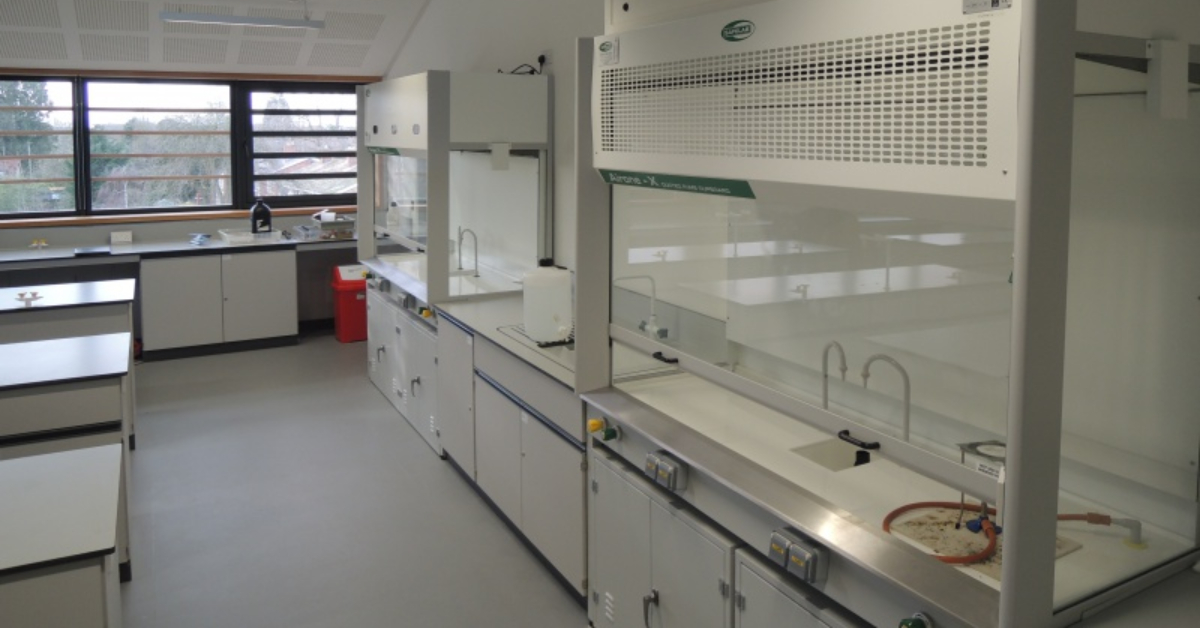
Specifying a fume cupboard is not just a product selection exercise. It is a critical part of laboratory design that affects safety, compliance, energy use, and long-term performance.
In the UK, specification typically sits within a wider framework that includes COSHH requirements, ventilation design, and standards such as BS EN 14175 and BS EN 17242. Increasingly, specification is also tied to BIM models and NBS documentation, which are used to coordinate and define system requirements.
A poorly specified fume cupboard can lead to ongoing issues, ranging from poor containment and failed testing to excessive energy consumption and operational inefficiencies. A well-considered specification, on the other hand, ensures that systems perform as intended from commissioning through to long-term use.
This guide sets out how to specify a fume cupboard properly, including key considerations, common pitfalls, and how BIM and NBS fit into the process.
Quick answer: How do you specify a fume cupboard?
To specify a fume cupboard correctly, you should:
- define the intended use and risk level
- select the appropriate system type (ducted or ductless)
- ensure compliance with relevant standards
- consider airflow, energy, and environmental factors
- integrate requirements into BIM and NBS documentation
Specification should be based on how the cupboard will actually be used, not just standard assumptions.
👉 Related: What Is a Fume Cupboard? How It Works, Types, and Uses(opens in new tab)
In this guide
- Why correct specification matters
- Defining the application and risk level
- Choosing between ducted and ductless systems
- Key performance and compliance requirements
- Airflow, energy, and system design considerations
- BIM and NBS in fume cupboard specification
- Common specification mistakes
- Working with suppliers and specialists
Why correct specification matters
Fume cupboards are safety-critical systems. Their performance depends on how well they are integrated into the wider laboratory environment.
Incorrect specification can result in:
- systems that are unsuitable for the intended application
- poor containment or airflow performance
- higher energy consumption than necessary
- difficulties during commissioning or testing
 See also: Fume Cupboard Commissioning Guide
Specification is therefore not just about compliance. It is about ensuring the system works in practice.
Defining the application and risk level
The starting point for any specification is understanding how the fume cupboard will be used.
This includes:
- the types of substances handled
- the level of hazard involved
- the frequency and duration of use
- the number of users
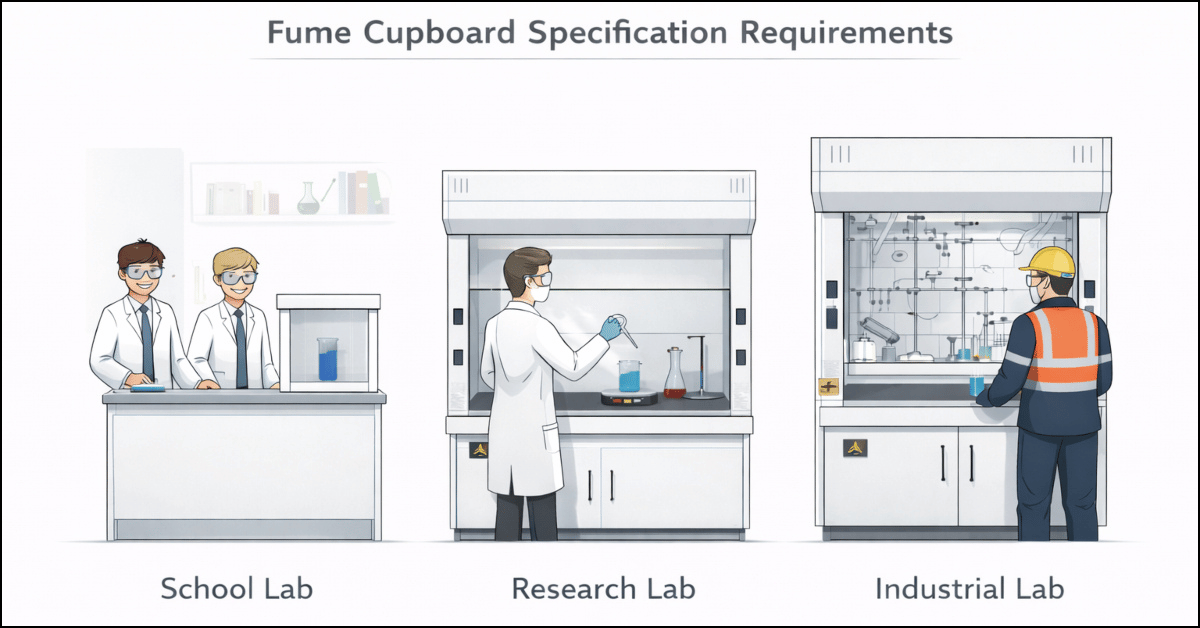
Different applications require different levels of performance.
For example:
- teaching environments may require robust, flexible systems
- research labs may require higher containment performance
- industrial settings may involve more specialised requirements
A clear definition of use helps guide all subsequent decisions.
Choosing between ducted and ductless systems
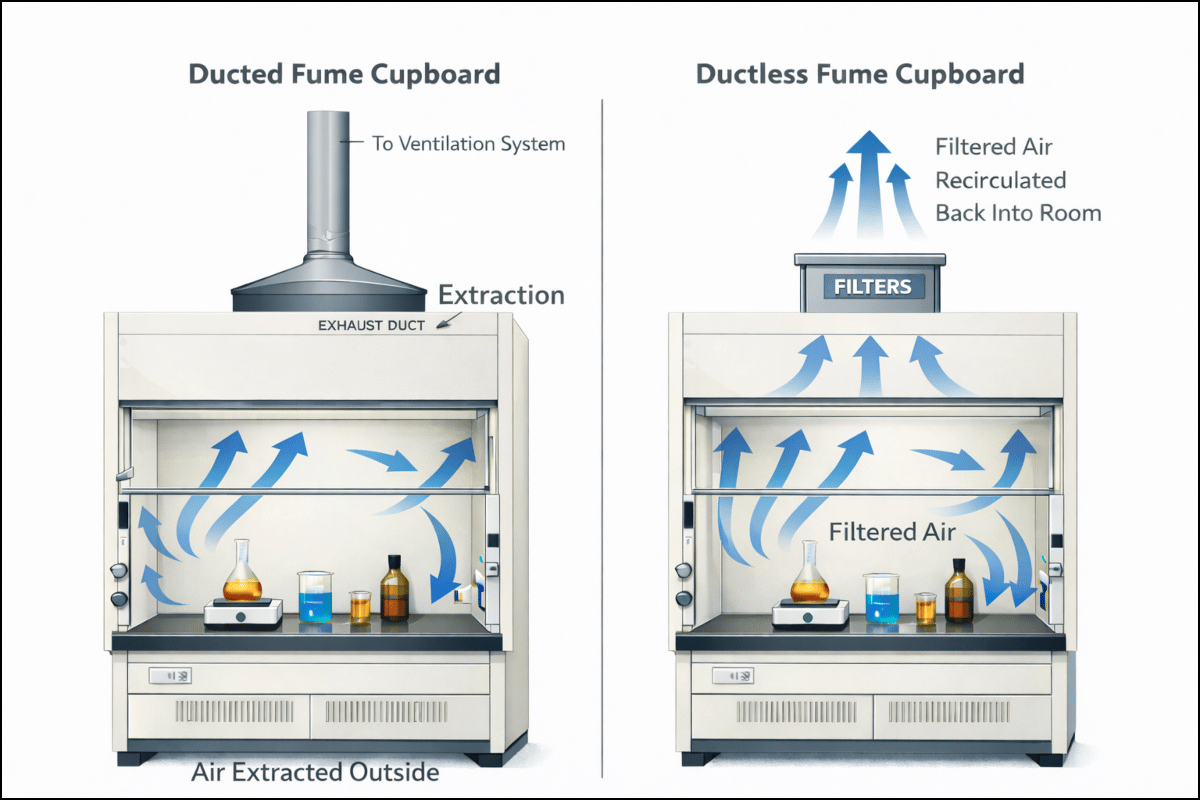
Ducted systems
- extract air from the building
- typically used for higher-risk applications
- rely on external ventilation infrastructure
For research, industrial and higher education projects, a ducted fume cupboard such as the Airone XP4 may be appropriate where higher containment performance and building integration are required.
Ductless systems
- filter and recirculate air within the room
- suitable for specific applications with known substances
- require correct filter selection and monitoring
Where substances are known and filtration suitability can be confirmed, Safelab’s ductless fume cupboards can provide a practical recirculating option.
See also: BS EN 17242 Ductless Fume Cupboards Guide
The choice depends on:
- application
- building constraints
- compliance requirements
Key performance and compliance requirements
Fume cupboards in the UK must align with relevant standards and guidance.
This may include:
- BS EN 14175 (ducted systems)
- BS EN 17242 (ductless systems)
- COSHH Regulation 9 (testing and maintenance)
Related: Fume Cupboard Testing Requirements in the UK (COSHH Compliance Guide)
Specification should ensure that the system:
- achieves appropriate airflow performance
- provides effective containment
- can be tested and maintained
- meets regulatory expectations
Airflow, energy, and system design considerations
Specification should also consider how the cupboard interacts with the wider system.
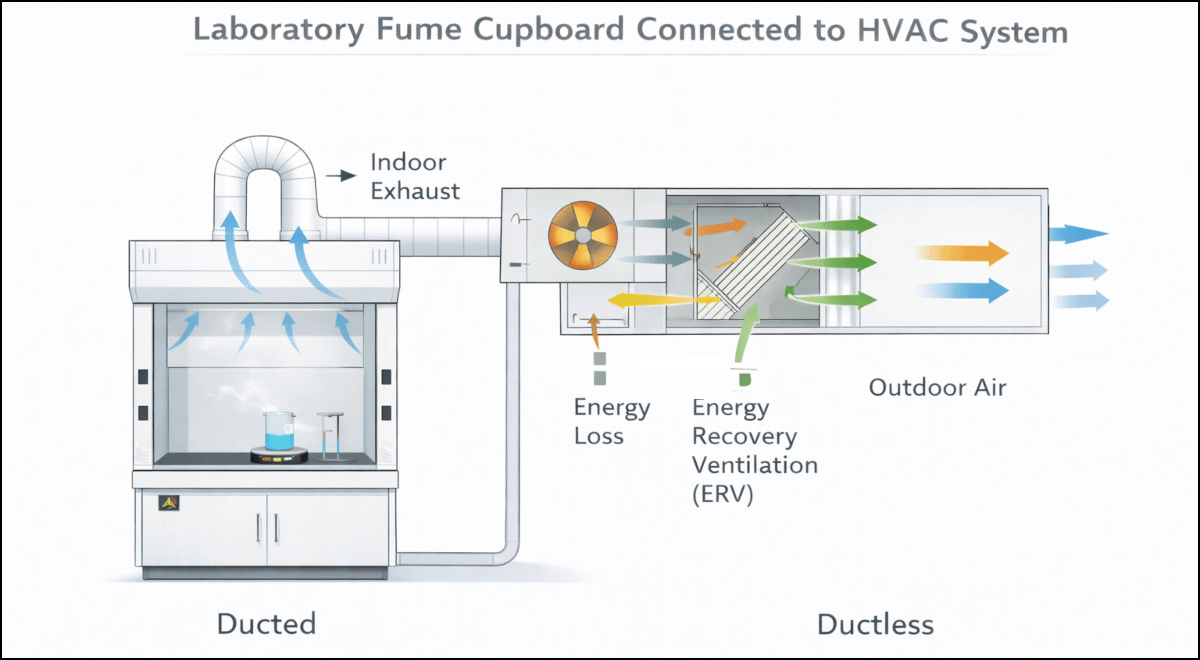
Key factors include:
Airflow design
- face velocity requirements
- system balancing
- interaction with room ventilation
Energy performance
- constant air volume (CAV) vs variable air volume (VAV)
- impact on HVAC systems
- long-term operating costs
For projects where airflow control and energy performance are key considerations, the Airone XP4 can be specified as a VAV ducted fume cupboard.
See also: Reducing Fume Cupboard Energy Costs (VAV & Airflow Guide)
Integration with building systems
- coordination with HVAC design
- positioning within the laboratory
- impact of room layout and airflow
These design decisions should be considered before installation, and our guide to fume cupboard installation requirements in the UK explains the practical factors that affect how a system is installed.
These considerations are often overlooked at early design stages but have a significant impact later.
BIM and NBS in fume cupboard specification
Modern laboratory projects increasingly rely on BIM and NBS to define and coordinate specifications.
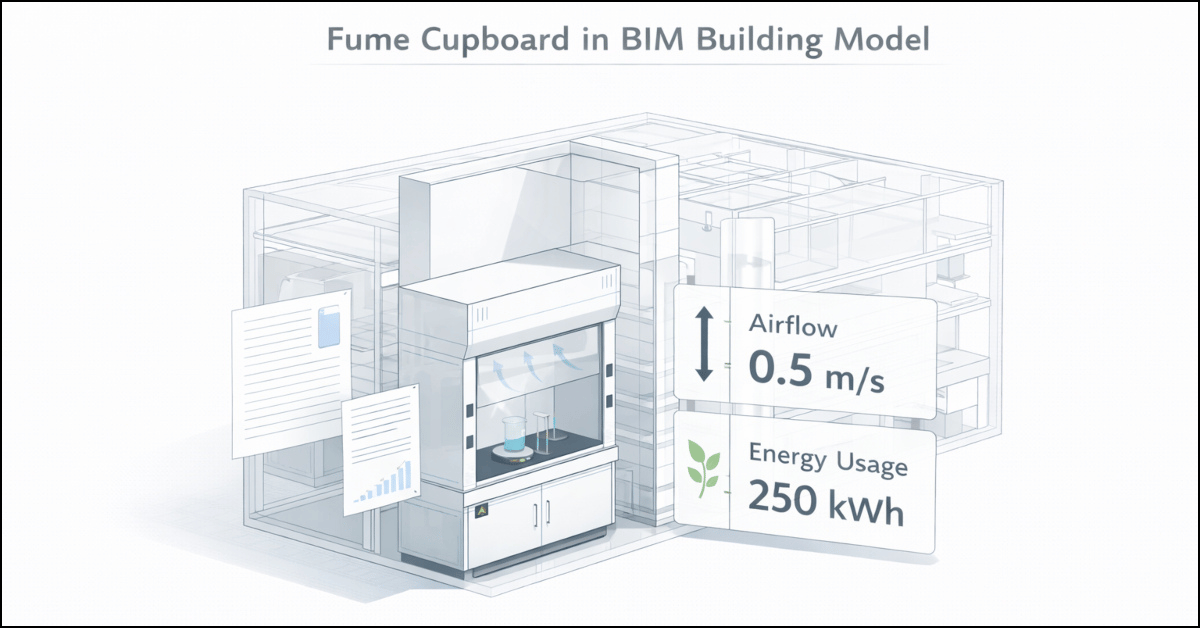
BIM (Building Information Modelling)
BIM allows designers to:
- integrate fume cupboards into the wider building model
- coordinate spatial requirements
- ensure compatibility with services and structure
NBS (National Building Specification)
NBS is used to:
- define technical requirements
- standardise specification language
- ensure clarity across project stakeholders
In practice, this means:
- selecting appropriate BIM objects
- ensuring data accuracy and completeness
- aligning specification with project requirements
Working with suppliers who provide high-quality BIM content and NBS specifications can significantly streamline this process.
Common specification mistakes
Many issues arise from avoidable mistakes at the specification stage.
Common problems include:
Over-specifying or under-specifying
Choosing systems that are either unnecessarily complex or insufficient for the application.
Ignoring environmental factors
Failing to consider how room layout and airflow affect performance.
Lack of coordination with HVAC
Resulting in systems that cannot achieve required performance.
Treating all applications the same
Assuming a standard solution works for every laboratory.
Not considering lifecycle performance
Focusing on initial cost rather than long-term operation and maintenance.
For a fuller breakdown, our guide to fume cupboard costs in the UK explains how purchase price, installation, energy use, testing, and maintenance all affect whole-life value.
Working with suppliers and specialists
Fume cupboard specification benefits from early collaboration.
Safelab’s fume cupboard design and manufacture capability can support early-stage specification, helping align the cupboard, services, ventilation strategy and compliance requirements before installation.
Specialist input can help:
- define appropriate system types
- identify potential issues
- align specification with real-world performance
Safelab works with consultants, contractors, and end users across the UK to support specification, providing guidance on system selection, BIM integration, and compliance requirements.
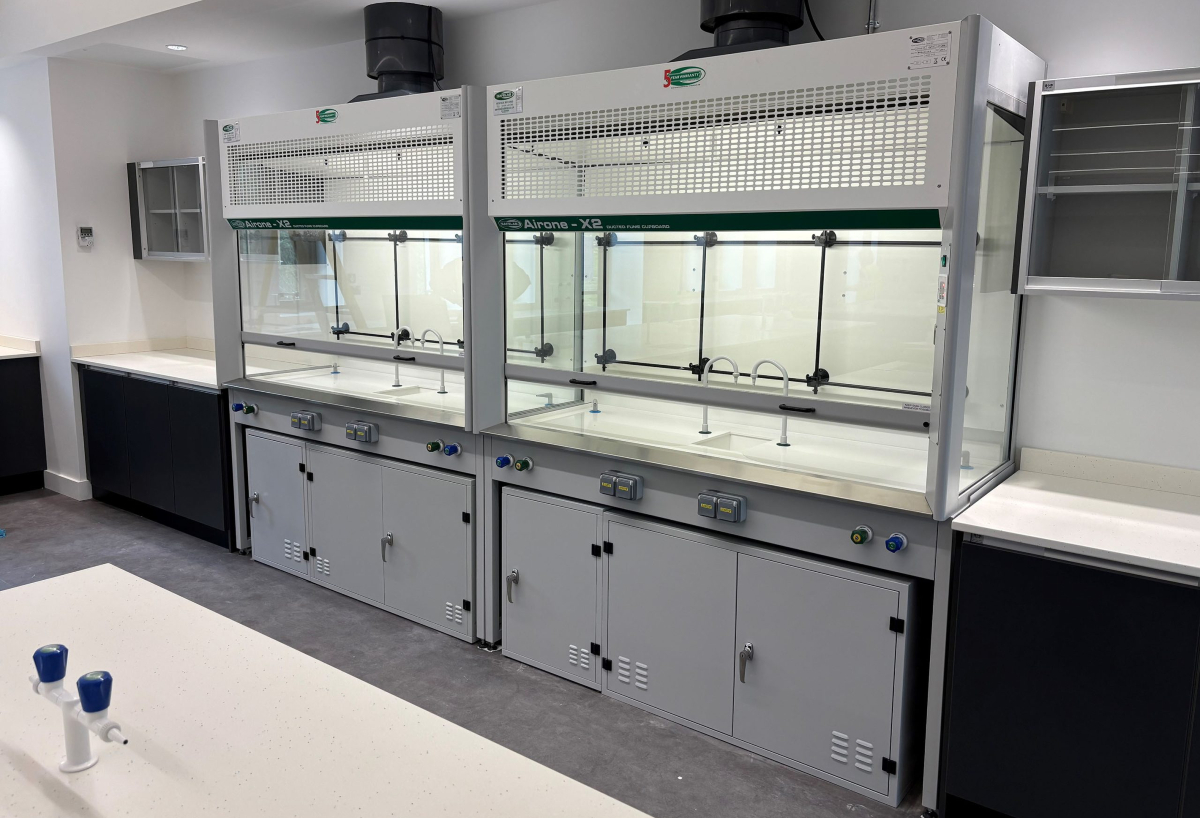
Need support with fume cupboard specification?
Specification decisions have long-term consequences. Getting them right early helps avoid issues later.
Safelab can support:
- specification of new systems
- BIM and NBS integration
- performance and compliance considerations
- review of existing designs
If you are specifying fume cupboards for a project, it is worth ensuring that requirements are clearly defined and aligned with how the system will be used.
Frequently Asked Questions
What standards apply to fume cupboard specification in the UK?
BS EN 14175 and BS EN 17242 are key standards, along with COSHH requirements.
What is the difference between ducted and ductless systems?
Ducted systems extract air externally, while ductless systems filter and recirculate air.
How does BIM help with specification?
It allows integration and coordination within the building design.
What is NBS used for?
To define and standardise technical specifications.
Can poor specification lead to failed testing?
Yes. Incorrect specification can result in systems that do not perform as required.