
Safe use of fume cupboards: Best practice guidance for UK laboratories
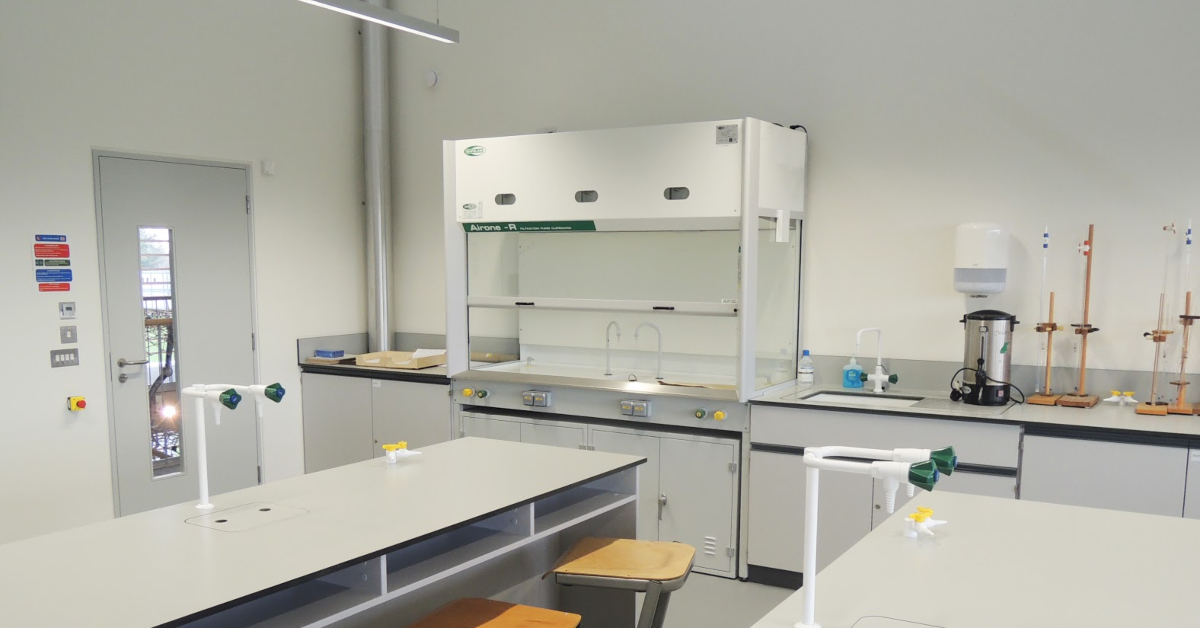
Fume cupboards are a critical part of laboratory safety, but their effectiveness depends as much on how they are used as how they are designed.
Even a fully compliant, correctly installed system can underperform if it is not used properly. Poor technique, incorrect sash positioning, or environmental factors can all compromise containment and increase risk to users.
In UK laboratories, safe use is closely linked to COSHH compliance. Employers are required not only to provide suitable control measures, but to ensure they are used correctly. This means that understanding how to operate a fume cupboard safely is essential for technicians, teachers, researchers, and facilities teams alike.
This guide sets out practical, real-world best practice for using fume cupboards safely, informed by Safelab’s four decades of experience and expertise. It will help to maintain performance, support compliance, and reduce the likelihood of failed testing, which can prove costly down the line.
Quick answer: How should a fume cupboard be used safely?
To use a fume cupboard safely:
- keep the sash at the recommended working height
- avoid rapid movements or disruption near the opening
- work at least 150mm inside the cabinet
- minimise clutter and obstruction inside the workspace
- ensure airflow is not affected by room conditions
Safe use is about maintaining stable airflow and ensuring contaminants are consistently captured and contained.
👉 Related: What Is a Fume Cupboard? How It Works, Types, and Uses(opens in new tab)
In this guide
Why safe use of fume cupboards matters
A fume cupboard is only effective if it maintains proper containment.
This depends on stable airflow at the face of the cabinet and consistent extraction through the system. When users interfere with this airflow (often unintentionally) performance can be reduced.
Poor use can lead to:
- contaminants escaping into the laboratory
- inconsistent or unstable airflow
- failed LEV testing under COSHH Regulation 9
 See also: Fume Cupboard Testing Requirements in the UK (COSHH Compliance Guide)
Safe use is therefore not just about individual behaviour. It directly affects compliance, system performance, and long-term reliability.
Correct sash positioning and working height
The sash is one of the most important safety features of a fume cupboard.
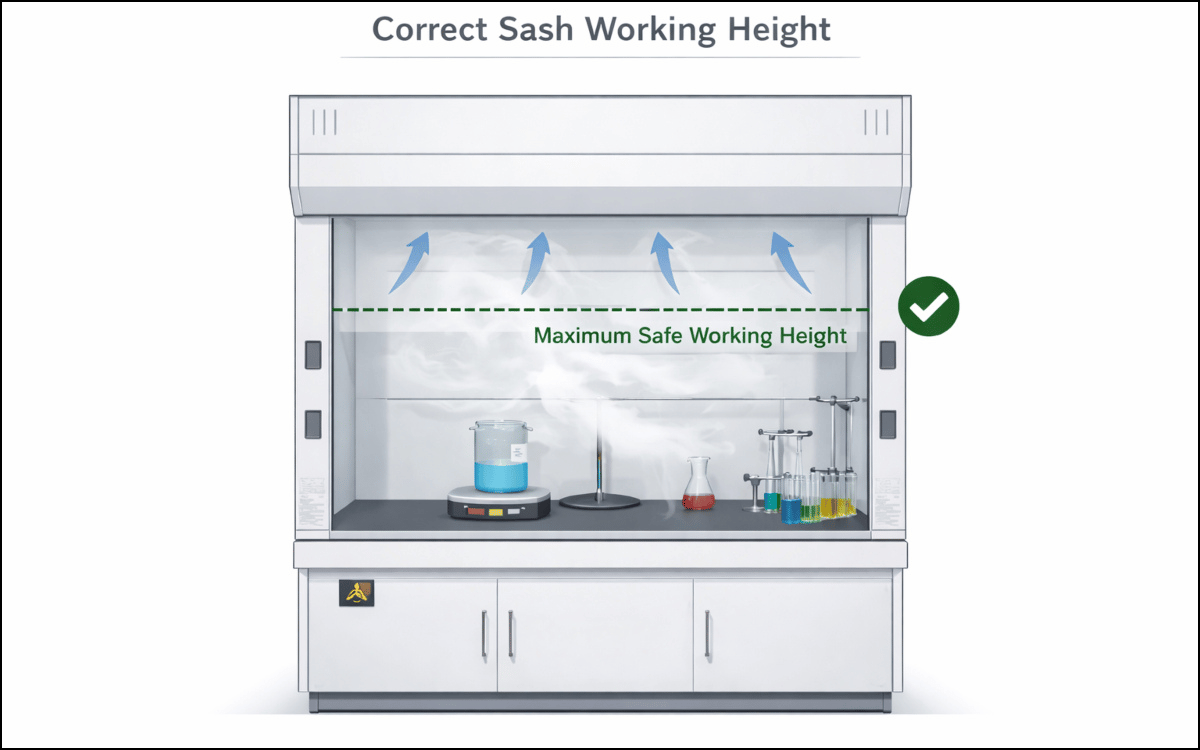
It acts as a physical barrier while also controlling airflow. The height of the sash affects face velocity and containment performance.
Best practice includes:
- keeping the sash at the marked safe working height
- avoiding working with the sash fully open
- lowering the sash when the cupboard is not in use
Working above the recommended height can reduce containment and increase the risk of exposure.
How to work safely inside a fume cupboard
Where and how work is carried out inside the cupboard has a direct impact on performance.
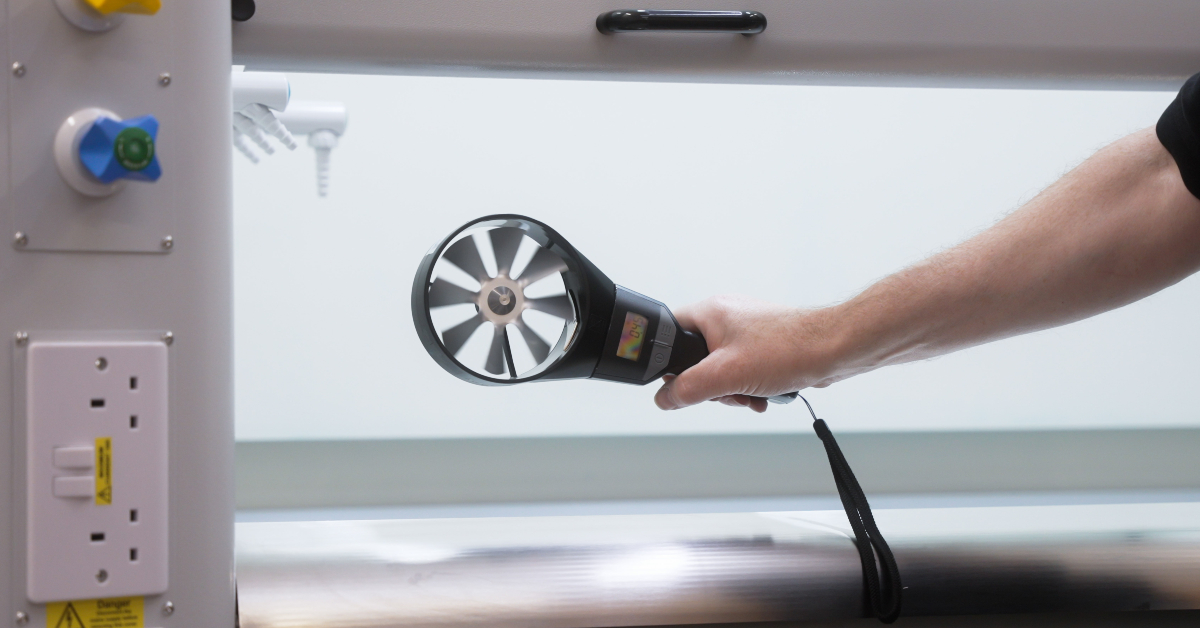
Users should:
- carry out work at least 150mm inside the cabinet
- keep equipment away from the front edge
- avoid placing large items directly in the airflow path
- ensure there is sufficient space for air to move freely
Overcrowding the workspace or working too close to the opening can disrupt airflow and reduce effectiveness.
Avoiding airflow disruption
Airflow at the face of a fume cupboard is relatively sensitive.
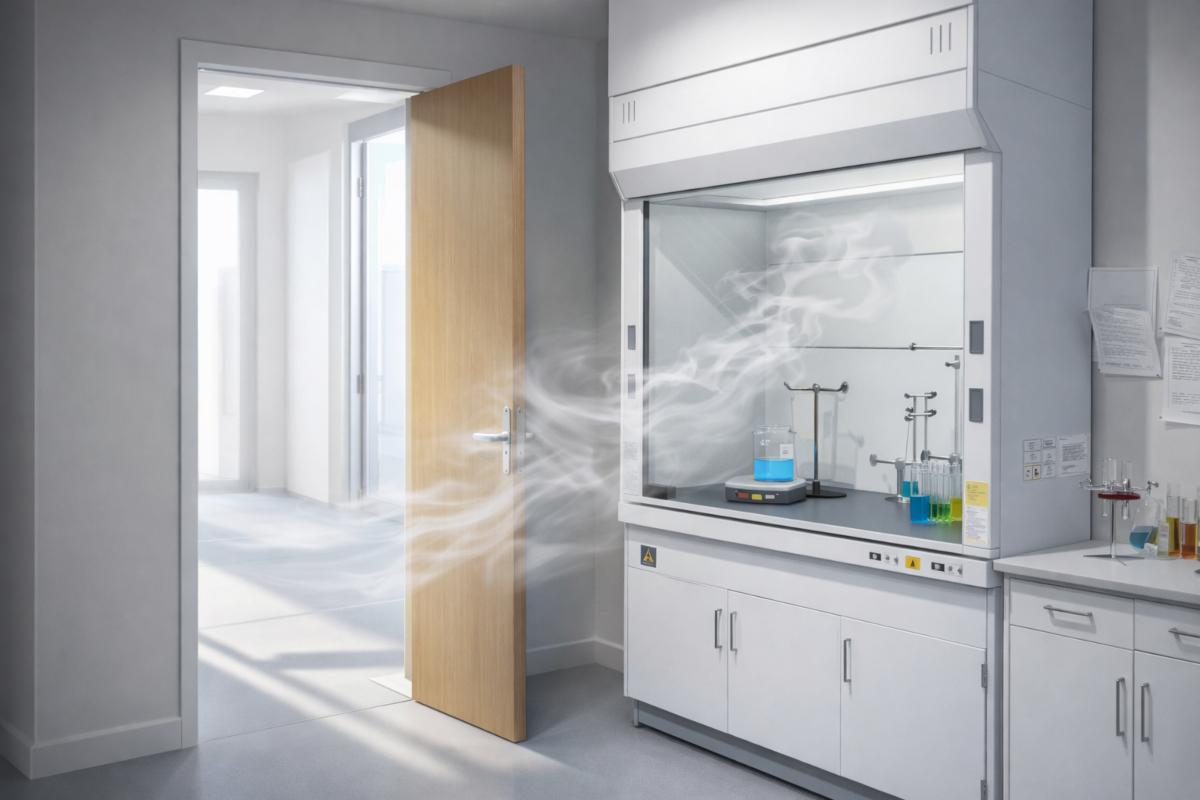
Small disturbances can create turbulence and affect containment. These disruptions are often caused by everyday activity within the laboratory.
Common issues include:
- people walking quickly past the cupboard
- opening and closing doors nearby
- rapid arm movements in and out of the cabinet
Maintaining smooth, steady working practices helps preserve stable airflow.
Related: Why Fume Cupboards Fail Testing
Good laboratory habits that improve safety
Safe use is reinforced by consistent habits.
These do not require specialist knowledge but can significantly improve performance, so they are worth remembering.
Examples include:
- keeping the workspace tidy and uncluttered
- avoiding unnecessary equipment inside the cupboard
- planning work before starting
- closing the sash when finished
These small behaviours reduce the likelihood of airflow disruption and support consistent containment.
Environmental factors to consider
Remember: Fume cupboards are influenced by their surroundings.
Even when used correctly, performance can be affected by:
- air supply systems
- open windows or doors
- nearby ventilation systems
- room layout and traffic flow
Where possible, cupboards should be positioned away from sources of disturbance.
See also: Fume Cupboard Commissioning Guide
Understanding the environment is key to maintaining safe operation over time.
Training and user responsibility
Safe use depends on people.
Users should be trained to understand:
- how fume cupboards work
- why airflow matters
- what behaviours affect performance
This is particularly important in:
- schools and colleges
- shared laboratory environments
- facilities with multiple users
In education settings, Safelab’s fume cupboards for schools and colleges are designed around safe teaching use, supervision, visibility, and long-term reliability.
Clear guidance and consistent training help ensure that systems are used correctly.
How safe use affects testing and compliance
There is a direct link between safe use and testing outcomes.
Fume cupboards that are used incorrectly are more likely to:
- fail containment tests
- show inconsistent airflow readings
- require corrective action
Good user practices support stable performance, which in turn supports compliance under COSHH Regulation 9.
Practical checklist for safe use
To summarise, safe operation of a fume cupboard should include:
- keeping the sash at the correct height
- working well inside the cabinet
- minimising disruption to airflow
- maintaining a clear workspace
- understanding environmental influences
These simple steps help ensure that the cupboard performs as intended.
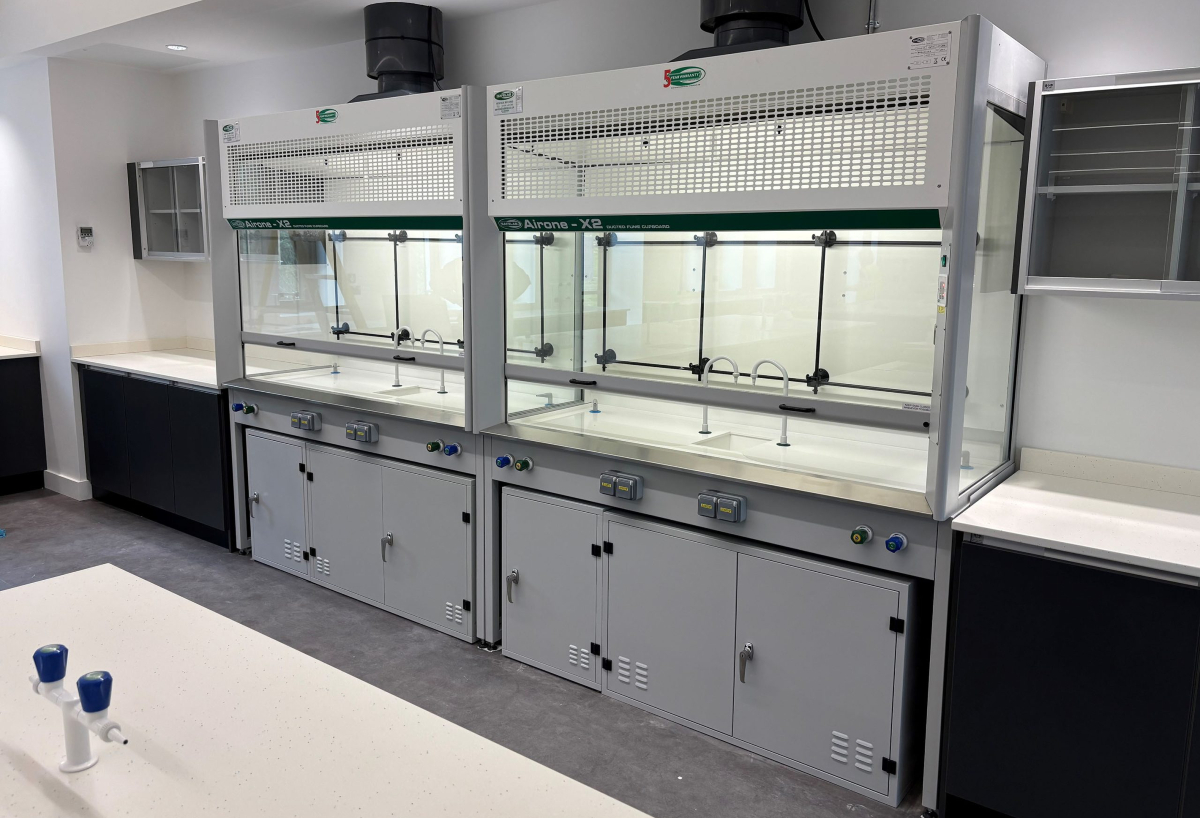
Need support with fume cupboard performance or compliance?
Safe use is an essential part of fume cupboard performance, but it is only one part of the wider system.
Safelab supports laboratories across the UK with:
- system design and specification
- commissioning and performance verification
- COSHH testing and compliance
- identifying and resolving performance issues
Safelab can provide fume cupboard testing and servicing support where poor use, airflow disruption, or maintenance issues are affecting performance.
If you want to ensure your fume cupboards are being used safely, or improve overall performance, it is worth reviewing how your systems operate in practice.
Frequently Asked Questions
What is the correct sash height for a fume cupboard?
This depends on the design, but cupboards typically have a marked safe working height that should be followed.
How far inside should you work?
At least 150mm inside the cabinet to ensure contaminants are captured effectively.
Can poor use cause a fume cupboard to fail testing?
Yes. User behaviour can significantly affect airflow and containment performance.
Should the sash be closed when not in use?
Yes. This improves safety and helps maintain system efficiency.
Do users need training?
Yes. Proper training ensures fume cupboards are used correctly and safely.